
One Robot, Seven Billion Contexts: How Tesla's Optimus Lands Differently Across the Globe
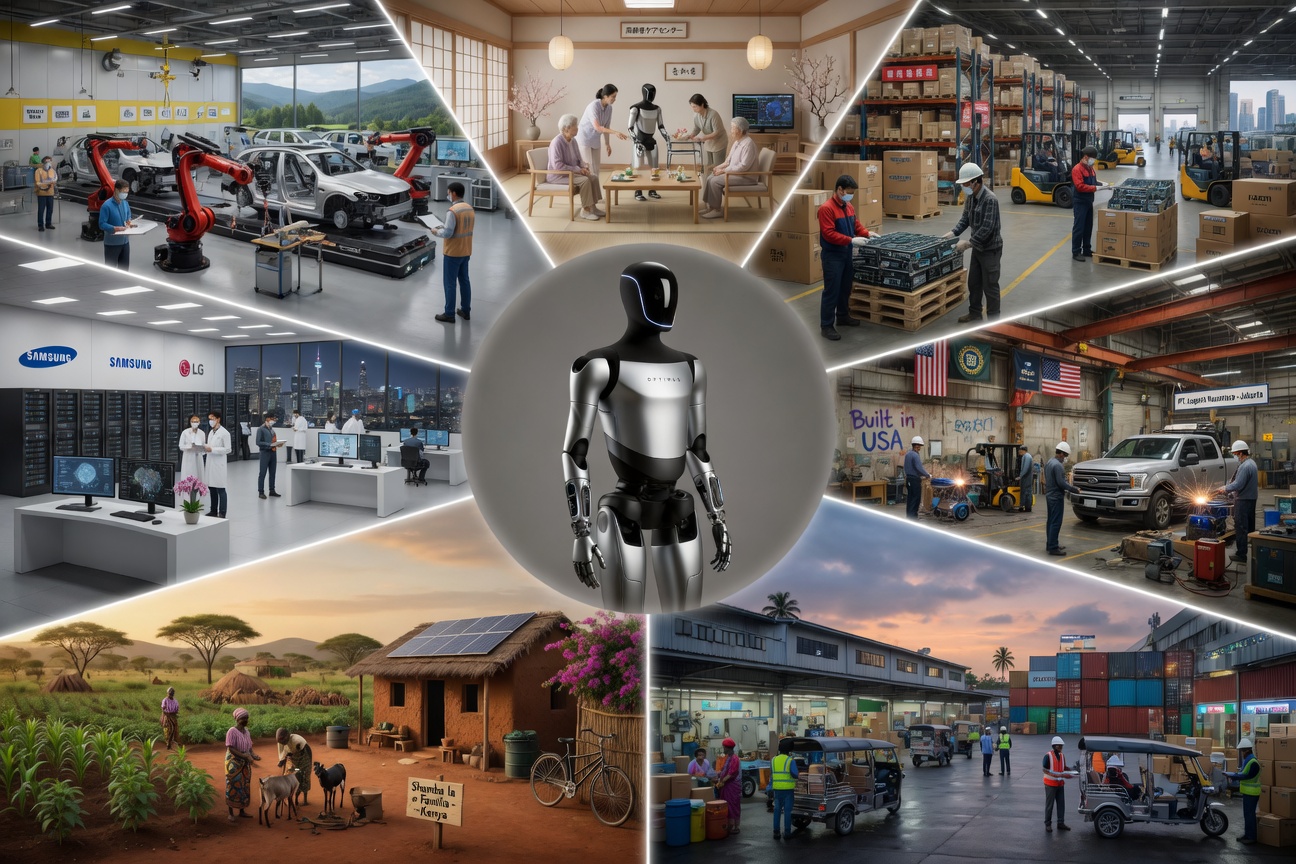
Picture the same machine stepping off a cargo pallet in four different cities on the same morning: a Volkswagen plant in Wolfsburg, a pharmaceutical warehouse outside Osaka, a Detroit automotive supplier clinging to solvency, and a consumer electronics factory on the outskirts of Chengdu. Same titanium frame. Same neural stack. Same Tesla firmware. And yet, in each of those places, Optimus will be met with a wildly different cocktail of enthusiasm, suspicion, infrastructure, and urgency. The robot does not change. The world receiving it absolutely does.
Tesla's physical AI program, anchored by its Optimus humanoid platform, is accelerating toward a production target that Elon Musk has described in terms of tens of thousands of units before the decade closes. But the global rollout narrative that typically accompanies such announcements tends to flatten a genuinely complicated picture. The real story of how humanoid robots penetrate human civilization is not one story. It is hundreds of them, and they diverge sharply the moment geography, demographics, and industrial culture enter the equation.
The Demographic Accelerant: Where Robots Fill a Biological Vacuum
No region on Earth is more structurally primed for humanoid robotics adoption than East Asia, and the reasons have almost nothing to do with technology enthusiasm. Japan's working-age population has been contracting for over two decades. South Korea's fertility rate recently dipped below 0.72, a figure demographers describe with barely concealed alarm. Even China, despite its enormous absolute workforce, is watching its labor pool age at a pace that Five-Year Plans cannot easily reverse.
In this context, a general-purpose humanoid robot is less a gadget and more a demographic pressure valve. Japanese manufacturers have already spent years investing in collaborative robots and elder-care automation. When Optimus arrives in that market, it does not need to argue its case from scratch. The argument has been building for thirty years in hospital staffing shortages, in padlocked rural factories, in the quiet arithmetic of pension systems straining under inverted population pyramids. Tesla's physical AI is walking into a room where the furniture was already rearranged to receive it.
South Korea presents a nuanced variant. The country's chaebols, the massive industrial conglomerates that dominate its economy, have been aggressively investing in their own robotics programs. Samsung and Hyundai are not passive observers waiting for an American import to solve their problems. They are building competing physical AI stacks, which means Tesla's Optimus enters Korea not as a savior but as a rival in a market that already speaks the language of humanoid ambition fluently. The competitive dynamic there will be intense, technically sophisticated, and almost certainly productive for the broader field.
The Labor Paradox: When the Robot Threatens a Social Contract
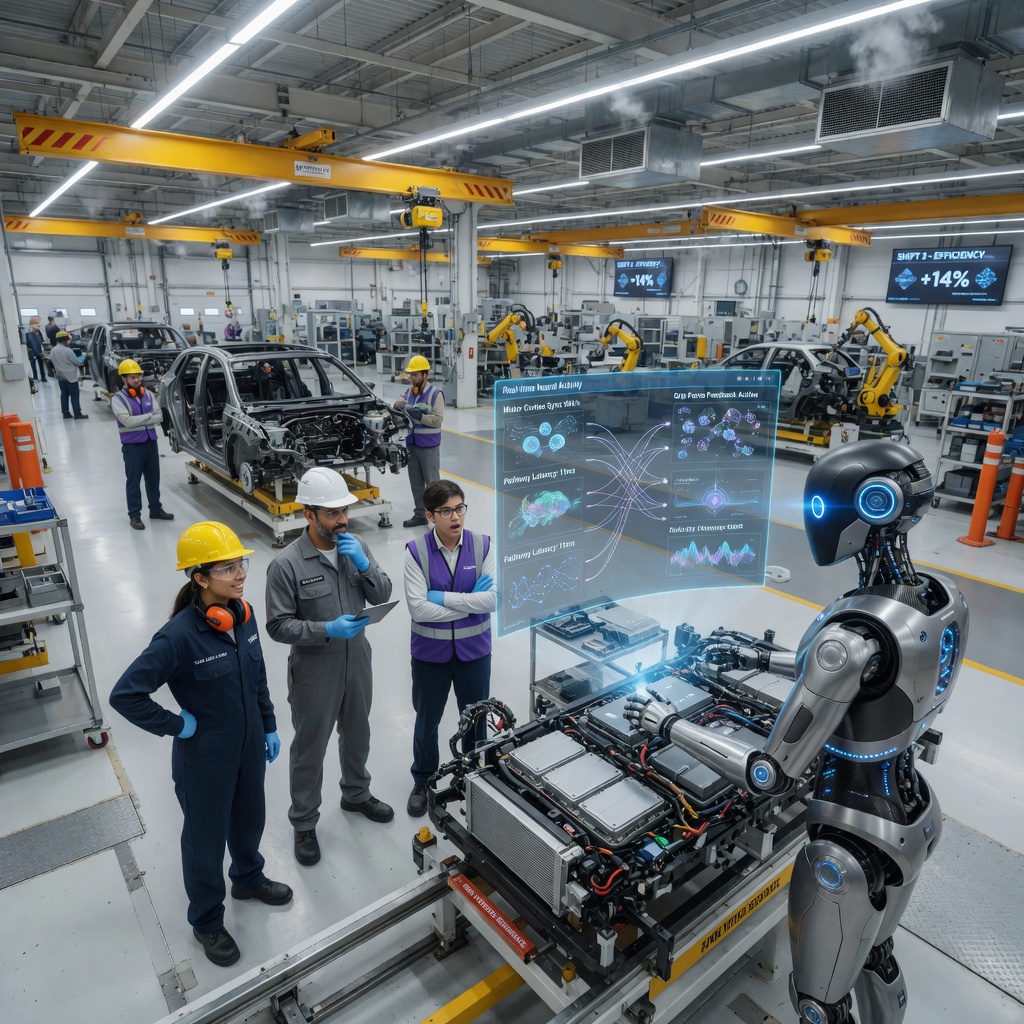
Shift the lens westward and the reception changes tone dramatically. In the United States and across much of Western Europe, humanoid robots are arriving into economies where organized labor has spent the better part of two centuries constructing legal frameworks, cultural expectations, and social identities around human work. The UAW's ongoing conversations about automation clauses in contracts are not abstract. They are direct negotiations about whether and how fast a machine like Optimus can legally, practically, and ethically displace a dues-paying member on a line in Toledo or Sunderland.
Germany is a particularly fascinating case study. The country's industrial culture is built around the concept of Mitbestimmung, the codetermination principle that gives workers formal representation on corporate supervisory boards. Any factory deploying Optimus units in Germany will do so with worker councils actively scrutinizing deployment plans, negotiating transition timelines, and demanding retraining provisions. This is not obstruction. It is, arguably, a more sophisticated form of technology integration than pure market-speed adoption, one that forces companies to justify automation choices at a granular human level rather than issuing a press release and moving on.
Tesla's own factories have historically maintained a complicated relationship with organized labor, which adds a layer of irony to the prospect of Optimus units being deployed in environments where worker representation is legally mandated. Navigating German codetermination law will require a level of institutional diplomacy that no firmware update can provide.
The Infrastructure Gap: Physical AI Needs a Physical World That Cooperates
There is a quiet assumption embedded in most Optimus coverage that goes largely unexamined: that the environments into which these robots will be deployed are roughly similar in their physical readiness. They are not, and this variance matters enormously.
Humanoid robots are, by design, optimized for human-built environments. Staircases, doorways, workbench heights, tool interfaces, and floor surfaces have all been built to human proportions over centuries of ergonomic evolution. This gives Optimus a theoretical advantage over wheeled or tracked alternatives in environments that were never designed for robots. But that advantage presupposes a certain standard of built environment quality that is simply absent in significant portions of the world where labor shortages or economic need might otherwise create strong demand.
Consider warehousing and logistics infrastructure across Southeast Asia or Sub-Saharan Africa. The facilities that exist in those regions often feature irregular flooring, variable lighting conditions, inconsistent power supply, and spatial configurations that differ substantially from the controlled factory settings where Optimus has been trained and tested. Physical AI systems trained overwhelmingly on data from Tesla's Fremont facility, or from digitally twinned simulations of idealized industrial spaces, may find their real-world generalization tested harshly against the productive chaos of a warehouse in Lagos or Manila.
This is not a fatal flaw. It is a calibration challenge, and Tesla's approach to sim-to-real transfer learning is explicitly designed to address it. But the timeline for robust performance across genuinely diverse physical environments is longer and less predictable than the roadmap for deployment in controlled, high-infrastructure settings. The regions that need physical AI most urgently may be among the last to receive versions capable of functioning reliably in their specific contexts.
China's Parallel Universe of Physical AI
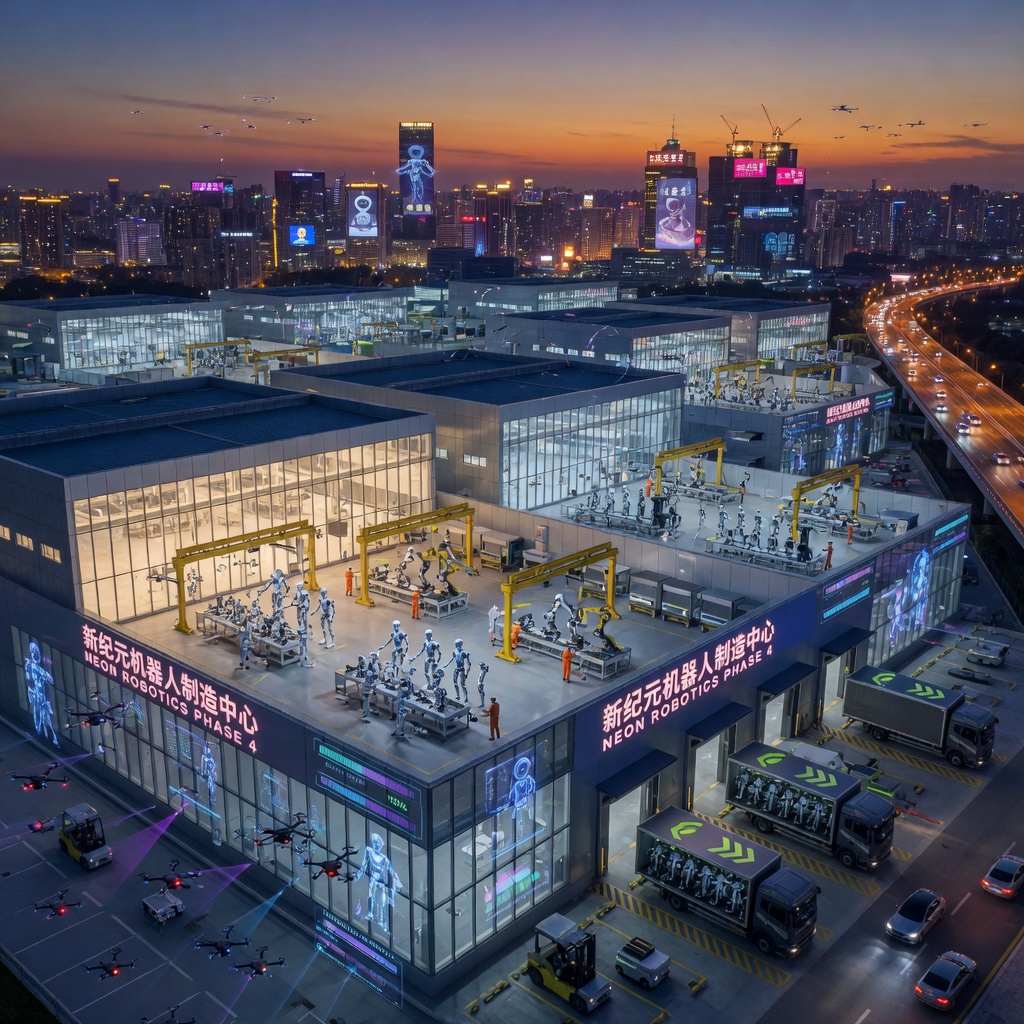
Any honest global survey of physical AI must reckon with the possibility that China is not a market for Tesla's Optimus so much as it is a competing universe developing its own parallel answer to the same question. The Chinese government has identified humanoid robotics as a strategic technology priority with a specificity and financial commitment that has no equivalent in Western industrial policy. Companies like Unitree, Fourier Intelligence, and a growing constellation of well-funded startups are developing humanoid platforms with explicit state backing, access to the world's largest manufacturing supply chain, and a domestic market large enough to sustain development cycles without requiring international sales.
What this means practically is that the global physical AI landscape in 2030 may not resemble a Tesla monoculture so much as a genuinely multipolar ecosystem, with Chinese platforms dominating in domestic applications, Japanese and Korean variants carved into specific industrial niches, European deployments filtered through labor law and sustainability requirements, and American adoption shaped by a combination of union negotiations, liability law, and the particular cultural anxieties that Americans project onto machines that walk upright and use their hands like people.
Each of these regional ecosystems will generate different training data, different safety standards, and different definitions of what it means for a robot to perform adequately. The physical AI models that emerge from these divergent development paths will not be interchangeable. They will reflect the worlds that built them.
The Underrepresented Constituency: Small-Scale Agriculture and Rural Services
Lost almost entirely in the conversation about humanoid robots is a constituency that may ultimately represent their most transformative application: rural and small-scale agricultural communities in developing economies. The UN estimates that roughly 600 million small farms globally employ the majority of the world's agricultural workers, many of whom labor in conditions of physical difficulty and economic precarity that no amount of urban tech optimism has managed to improve.
A general-purpose humanoid robot that can harvest, sort, carry, and maintain equipment without requiring the specialized infrastructure of an industrial facility represents something genuinely revolutionary for these communities, if it can be made affordable, maintainable, and culturally appropriate. The cost curve for Optimus, currently projected to drop toward the range of a mid-market automobile within this decade according to Tesla's own forecasts, is the pivotal variable. At $50,000 per unit, Optimus is a logistics center asset. At $15,000, it begins to look like a rural cooperative purchase. At $8,000, it changes what a smallholder farmer in Vietnam or a grain cooperative in Kenya can imagine about their own future.
That pricing trajectory is speculative but not implausible, and it reframes the entire global story. The regions most skeptical of Optimus right now, those with strong labor markets, robust unions, and geopolitical hesitation about American tech platforms, may matter far less to the long-term civilizational impact of physical AI than the billions of people living in places where a reliable, affordable humanoid assistant would be transformative in ways that no Silicon Valley case study has properly articulated.
Convergence or Fragmentation?
The honest answer to whether the global physical AI rollout converges on a shared standard or splinters into regional variants is: probably both, at different layers of the stack. Hardware will diversify as manufacturing capabilities spread and local supply chains assert themselves. Training methodologies will diverge as data sovereignty concerns push different jurisdictions to demand locally sourced behavioral datasets. Regulatory frameworks will fragment further as governments increasingly treat AI-powered physical systems as matters of national security, not just product safety.
But at the level of underlying physics, motor control mathematics, and the fundamental challenge of giving a machine the ability to navigate and manipulate an unpredictable physical world, the science converges. Gravity is the same in Wolfsburg and Wuhan. The torque requirements of opening a stuck drawer do not respect national borders. Tesla's investment in physical AI is ultimately a bet that solving the deep technical problem of embodied machine intelligence creates value that transcends every regional and cultural variable stacked against it. That bet may well pay off. But the path from Fremont prototype to genuinely global utility will be measured not just in improved gait cycles and faster neural inference, but in the patient, unglamorous work of meeting the world as it actually is, in all its bewildering, uneven, magnificently complicated plurality.

George Russell
Tech journalist covering Elon Musk’s companies for over 10 years.