
The Musk Dossier: A Hard-Nosed Technical and Strategic Audit of the World's Most Complex One-Man Ecosystem
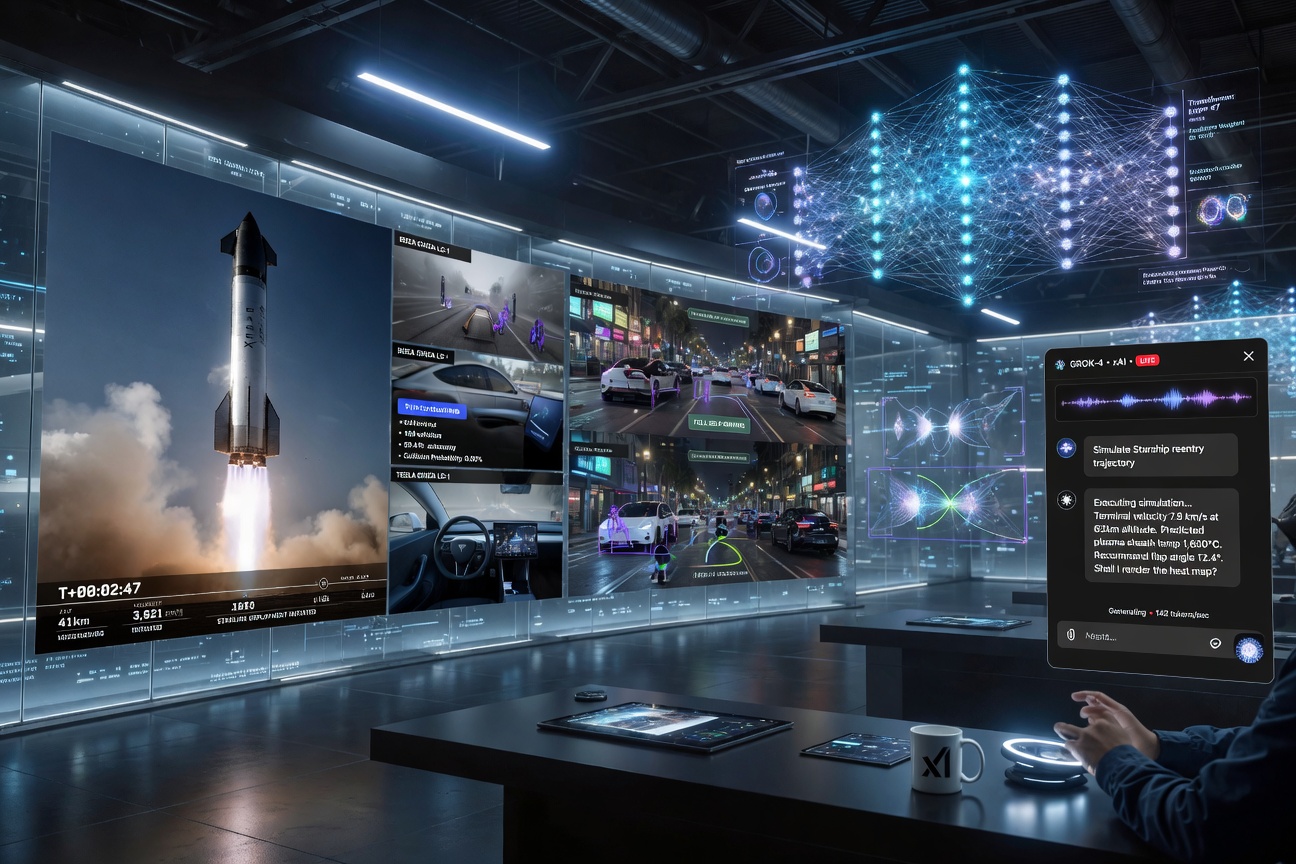
No single figure in the modern technology landscape generates more simultaneous data points, contradictions, regulatory friction, and genuine breakthrough momentum than Elon Musk. In a single week in mid-2025, his companies touched autonomous vehicle legislation in three U.S. states, filed new radio frequency allocations for Starlink's next-generation constellation, published Grok's updated benchmark scores against GPT-4o and Gemini Ultra, and quietly submitted a fresh round of Neuralink trial expansion documentation to the FDA. If you tried to map this activity on a Gantt chart, the chart would catch fire. What follows is not a fan brief or a hit piece. It is an analyst's audit, line by line, of where each major Musk enterprise actually stands in mid-2025, measured against technical milestones, competitive pressure, capital constraints, and regulatory reality.
SpaceX and Starship: The Clock Is Ticking on the Cadence Promise
SpaceX completed its eighth integrated Starship flight test earlier this year, achieving the highest-profile milestone yet: controlled splashdown of the Super Heavy booster combined with a Starship upper stage reentry that survived peak heating with all thermal protection tiles intact. Musk declared on X that operational payload flights are "closer than people think," a phrase that has a complex track record in his lexicon.
The technical picture is genuinely impressive. The Raptor 3 engine, now producing approximately 280 metric tons of thrust in vacuum-optimized variants, represents one of the highest thrust-to-weight ratios ever achieved in a production rocket engine. SpaceX has also accelerated the Mechazilla catch-and-reuse cycle at Boca Chica, with turnaround timelines on the booster arm now measured in days rather than weeks. However, the gap between a successful test flight and operational launch cadence is where the hard engineering lives. Propellant loading procedures for fully cryo-compatible liquid oxygen and methane at the volumes Starship requires have not yet been validated at scale. In-orbit propellant transfer, the critical enabling technology for lunar and Mars missions under NASA's Artemis architecture, has not been publicly demonstrated. NASA's Human Landing System contract, worth up to $4.2 billion over its full term, hinges on this demonstration. If that timeline slips into 2026, political pressure on the program from competing congressional interests could intensify significantly.
Competitive context matters here. Blue Origin's New Glenn is flying. United Launch Alliance's Vulcan Centaur is certified. Neither threatens Starship's payload class, but both remind the market that alternatives exist for medium-heavy lift. The real competitive threat to SpaceX's business is not another launch provider. It is the possibility that Starlink's revenue engine, which now funds the bulk of Starship development, shows saturation in mature markets while next-generation LEO competitors from Amazon's Project Kuiper launch their own dense constellations. Kuiper has FCC authorization to deploy 3,236 satellites. The first batch is already in orbit. This is not a hypothetical.
Tesla: The Robotaxi Gamble and the Margin Math That Has to Work
Tesla's Cybercab reveal was one of the most strategically loaded product announcements in recent automotive history. Musk positioned the two-seat autonomous vehicle not merely as a product but as a platform argument: the claim that Tesla's vision-only Full Self-Driving stack, trained on billions of real-world miles of human driving data, is sufficient to enable Level 4 autonomy without LiDAR, HD maps, or geofencing constraints.
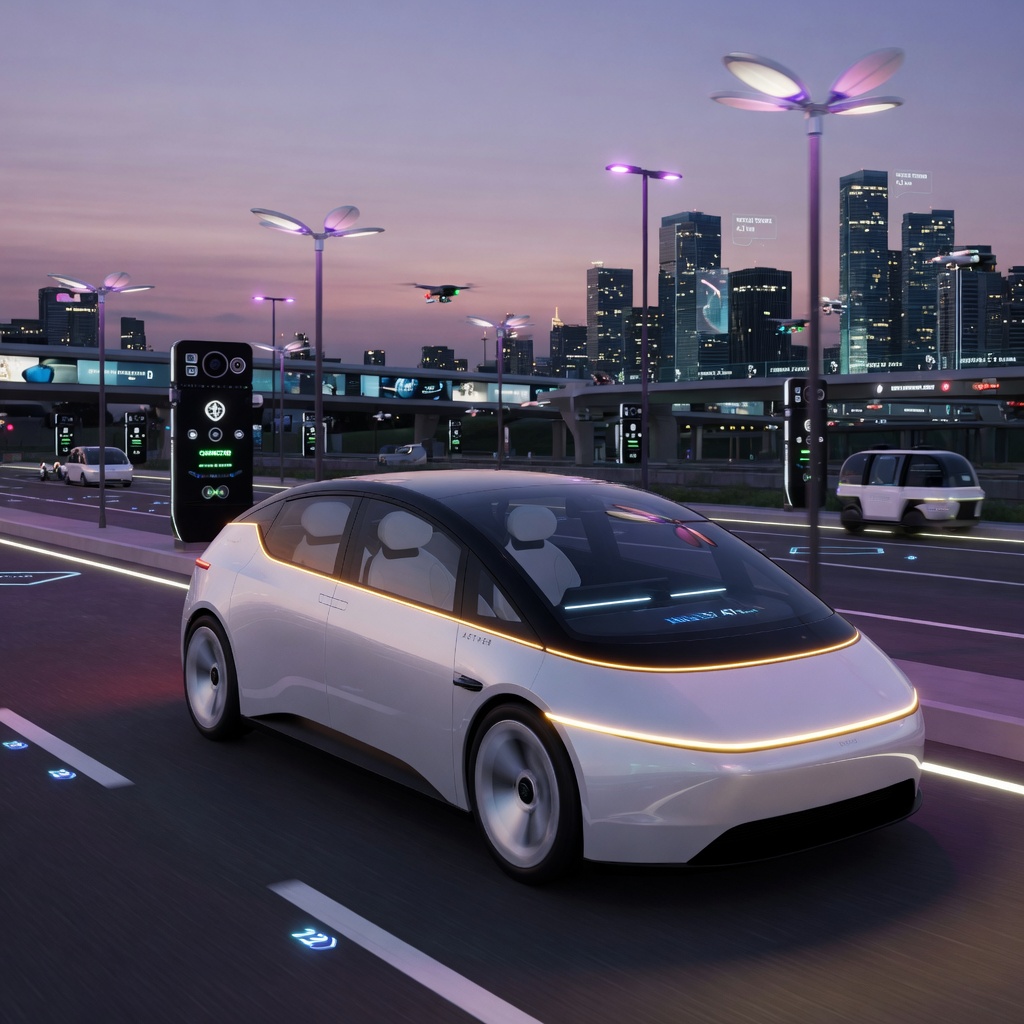
That argument is not settled science. Waymo, which operates a commercially available robotaxi service in San Francisco, Phoenix, and Austin, uses a sensor fusion stack combining LiDAR, radar, and cameras, plus high-definition maps updated in near real-time. Waymo's safety data, while not exhaustive, shows millions of miles of driverless commercial operation with a disengagement rate that has improved by roughly 40 percent year-over-year by their own reporting. Tesla's FSD, by contrast, still requires driver supervision under its current regulatory approval in the United States. The company has not yet received approval for fully driverless commercial passenger operation in any U.S. jurisdiction.
The regulatory path is the critical variable. California's DMV has been cautious with Tesla's FSD approvals compared to Waymo's. Texas and Arizona have more permissive autonomous vehicle frameworks, and Musk has suggested Austin will be the initial Cybercab launch market. Even under the most optimistic regulatory scenario, a commercial fleet of Cybercabs generating meaningful revenue is a 2026 story at the absolute earliest. Meanwhile, Tesla's automotive gross margin compressed to approximately 17.4 percent in Q1 2025, down from peaks above 25 percent in 2022. The pressure from Chinese EV competitors, particularly BYD, which now sells vehicles at price points that undercut Tesla's base Model 3 in multiple markets, is real and structural rather than cyclical.
The bull case rests on energy business growth and the robotaxi network's eventual unit economics, which Musk has argued could generate $30,000 per vehicle per year in autonomous ride revenue. The bear case is that these projections assume regulatory approvals, consumer adoption rates, and software reliability curves that have not yet been demonstrated in any comparable commercial deployment.
xAI and Grok: The Benchmark Wars Are Just Getting Started
Musk's xAI released Grok 3 in early 2025, and the benchmark performance was legitimately competitive. On several standard reasoning and coding evaluations, Grok 3 matched or exceeded GPT-4o and outperformed Gemini 1.5 Pro on specific mathematical problem sets. This is not marketing language; the scores are reproducible on public benchmarks including MATH, HumanEval, and MMLU subsets. What the benchmarks do not capture is the gap between laboratory performance and deployed product quality, which is where user experience lives.
xAI's structural advantage is data. Integration with X gives Grok access to real-time public discourse at a scale that no closed API can replicate. This is genuinely differentiating for applications in financial sentiment analysis, trend detection, and news summarization. The strategic risk is that X's user base, while large, skews toward a demographic that may not represent the enterprise buyer base that OpenAI, Anthropic, and Google are competing fiercely to capture with their API businesses. Enterprise AI contract values are measured in tens of millions of dollars annually for large deployments, and xAI has not yet published a credible enterprise sales pipeline or major Fortune 500 partnership announcement.
The compute infrastructure picture is notable. Musk's Memphis supercomputer cluster, reportedly built around 100,000 Nvidia H100 GPUs, represents one of the largest single training clusters assembled by a private AI lab. At current H100 pricing and colocation costs, this represents a capital investment north of $4 billion. The question is whether xAI can generate enough revenue from Grok subscriptions and API access to service that infrastructure cost while continuing to scale. OpenAI's annualized revenue run rate crossed $3.4 billion in early 2025. xAI has not disclosed equivalent figures.
Neuralink: The Science Is Real, the Scale Is Far Away
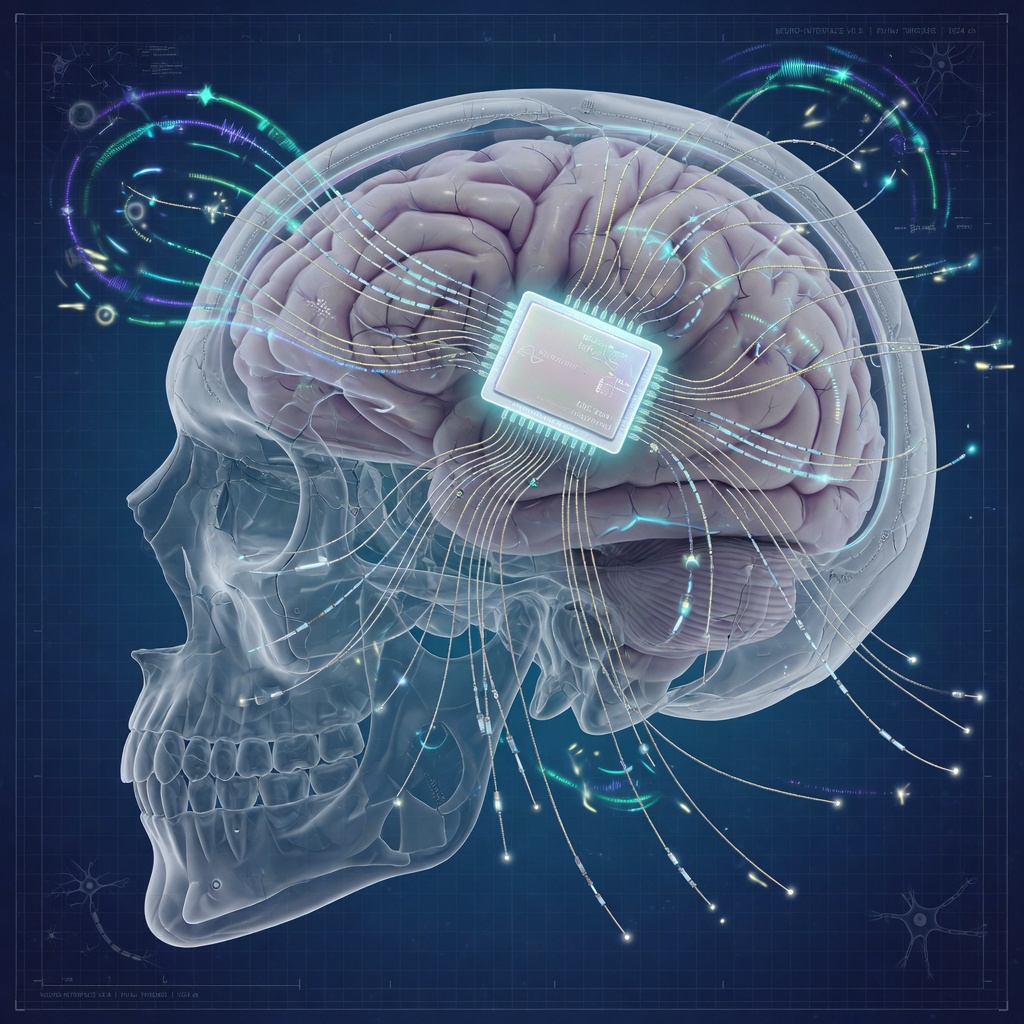
Neuralink's first human trial participant, Noland Arbaugh, demonstrated a level of brain-computer interface performance that genuinely moved the neuroscience community. Controlling a computer cursor, playing chess, and navigating web interfaces through thought alone, with a fully implanted wireless device, at speeds approaching or exceeding what many patients with limited mobility can achieve through assistive technology, represents a credible scientific advance. The company has now implanted a small number of additional participants and has applied for expanded trial enrollment.
The path from a handful of trial implants to an FDA-approved medical device is measured in years and hundreds of millions of dollars. The FDA's De Novo pathway, which Neuralink appears to be pursuing, requires extensive safety and efficacy data across diverse patient populations. A key technical concern raised by independent neuroscientists is electrode longevity: fine thread electrodes in brain tissue can experience signal degradation over time due to glial scarring. Neuralink's published data does not yet address multi-year implant performance, which will be required for any commercial device approval. The competitive landscape includes Synchron, which uses a minimally invasive endovascular approach and has its own human trial data, and Blackrock Neurotech, with decades of clinical history. Neither has Neuralink's capital base, but both have regulatory experience that Neuralink is still accumulating.
The Systemic Risk No One Is Modeling
Individual risk analysis of each Musk enterprise misses the most important systemic variable: key-person concentration. No other technology ecosystem of comparable scale and ambition is this deeply dependent on a single individual's decision-making bandwidth, public image, and political relationships. Musk's increasing visibility in U.S. political affairs has created measurable brand risk for Tesla in European and Chinese markets, where consumer sentiment surveys show declining purchase intent among demographics that previously skewed Tesla-favorable. This is not a political observation. It is a market data observation with direct implications for revenue projections.
At the same time, the positive policy access that Musk's political positioning has generated for SpaceX in terms of launch licensing, spectrum allocation, and government contract discussions represents a genuine structural advantage that competitors cannot easily replicate. The net effect of these countervailing forces on enterprise value across the portfolio is genuinely difficult to model, which is perhaps the most honest summary an analyst can offer. The variables are real, the stakes are planetary in at least two senses of that word, and the next twelve months will resolve more of the open questions than the previous five years combined.
George Russell
Tech journalist covering Elon Musk’s companies for over 10 years.